
Abstract
Aim
Lung cancer is one of the most common types of cancer, with non-small cell lung cancer (NSCLC) being the most prevalent subtype, accounting for approximately 85% of all cases. Tyrosine kinase inhibitors (TKIs) improve progression-free survival in patients with NSCLC and activating epidermal growth factor receptor (EGFR) mutations. However, the development of resistance has increasingly reduced the long-term efficacy of these treatments. Third-generation TKIs are designed to target drug resistance mutations, such as the T790M mutation, and have been approved as first-line treatment for advanced-stage EGFR-mutant NSCLC. In advanced-stage patients, obtaining tissue samples can be challenging. Thus, liquid biopsy for T790M mutation detection is a suitable alternative. Due to its high sensitivity, droplet digital PCR (ddPCR) is a prominent method for the detection of this protein. This study aimed to share our experience with T790M mutation analysis using ddPCR with liquid biopsy and emphasize the significance of this mutation.
Methods
This study analyzed liquid biopsy data from 183 patients diagnosed with NSCLC and referred from various centers with suspected progression under first- or second-generation EGFR-TKI treatment. Using approximately 10 mL of blood samples, cell-free tumor DNA was extracted from plasma and evaluated for EGFR T790M mutation using ddPCR.
Results
The T790M mutation was detected in 29 patients, including 14 male patients (15.2%) out of 92 and 15 female patients (16.48%) out of 91. In addition, other accompanying EGFR mutations were observed in 85 patients (46.45%). Among these patients, 17 (9 male and 8 female) were also found to harbor the T790M mutation.
Conclusion
The ddPCR method using liquid biopsy has high sensitivity and accuracy for the molecular diagnosis of EGFR T790M mutations. Based on these combined data, this study demonstrated that ddPCR is a robust alternative method for detecting EGFR T790M mutations in plasma samples from patients with NSCLC.
Keywords: Non-small cell lung cancer, liquid biopsy, T790M, droplet digital PCR
Introduction
Lung cancer is one of the most frequently diagnosed cancers and remains the leading cause of cancer-related mortality worldwide []. Among the various lung cancer types, non-small-cell lung cancer (NSCLC) is the most prevalent histological subtype, accounting for approximately 85% of all lung cancer cases [].
One of the notable advancements in the management of NSCLC associated with activating epidermal growth factor receptor (EGFR) mutations has been the development of targeted therapies known as tyrosine kinase inhibitors (TKIs). These agents are designed to specifically inhibit the function of EGFR, a type of receptor tyrosine kinase that regulates pathways responsible for cell growth and survival. EGFR gene mutations, particularly exon 19 deletions and the L858R point mutation in exon 21, are detectable in around 10-20% of individuals diagnosed with NSCLC [-].
The treatment of EGFR-mutant lung cancer poses a significant challenge because of the emergence of TKI resistance. These targeted therapies initially demonstrate promising responses and improved progression-free survival in patients with EGFR-mutant NSCLC. However, acquired resistance gradually diminishes their long-term efficacy [-].
One of the major mechanisms responsible for acquired resistance to EGFR-TKIs is the secondary T790M mutation in exon 20 of the EGFR gene []. This alteration is located in the highly conserved ATP-binding pocket of the EGFR kinase domain, leading to steric hindrance and reduced binding affinity of first- and second-generation TKIs. To address sensitizing EGFR mutations as well as the T790M resistance mutation, third-generation EGFR-TKIs such as osimertinib have been developed. Osimertinib, in particular, has demonstrated substantial clinical effectiveness in individuals with T790M-mutant NSCLC. It has exhibited superior response rates and extended periods of progression-free survival compared to first- and second-generation TKIs [].
Various methods have been used to identify the T790M mutation, including tissue-based biopsies, liquid biopsies, and the analysis of cell-free DNA. Ideally, the detection of this mutation should be performed on tumor tissue obtained through re-biopsy. However, patients experiencing disease progression may develop lesions in locations that are difficult to access. Furthermore, the poor performance status of patients can also present challenges in re-biopsy procedures [].
In cases in which accessing tumor tissue via re-biopsy is not feasible, an alternative approach involves liquid biopsy. This innovative technique allows the analysis of cell-free tumor DNA (cfDNA) present in the plasma and other body fluids of patients. By genotyping cfDNA, liquid biopsy offers a noninvasive means to gain valuable insights into the molecular profile of the tumor, enabling clinicians to detect genetic mutations and guide treatment decisions effectively [-].
Droplet digital PCR (ddPCR) represents a significant advancement in molecular diagnostics, offering unprecedented precision and sensitivity for quantifying nucleic acids. By partitioning a sample into thousands of discrete reactions within water-in-oil droplets, ddPCR provides a digital, absolute quantification approach that overcomes the limitations of traditional real-time PCR. ddPCR has garnered noteworthy attention for its potential to revolutionize the precise detection of the T790M mutation. By offering unparalleled sensitivity, quantification precision, and the ability to discern rare mutational events, ddPCR is a promising tool in the realm of liquid biopsy-based diagnostics for patients with NSCLC [, ].
In this article, we present our experience with T790M mutation analysis in patients with NSCLC using the ddPCR method with liquid biopsy.
Methods
Study Group
In this retrospective study, data obtained from liquid biopsy samples from 183 patients diagnosed with NSCLC who were referred from various centers with suspicion of progression while under first- or second-generation EGFR-TKI treatment were analyzed. The patients in this study cohort were examined in our clinic center during the period from October 2022 to September 2024.
The research received ethical approval from the Etlik City Hospital Ethics Committee (document number: AEŞH-BADEK-2024-843, date: 25.09.2024). All patients met the genetic testing standards established by the National Comprehensive Cancer Network.
cfDNA Isolation and T790M Mutation Analysis
To extract cfDNA from plasma, approximately 10 mL of blood samples were collected in cell-free DNA BCT® (Streck) tubes. The cfDNA obtained from these samples was evaluated for the presence of the EGFR T790M mutation using the Bio-Rad QX100 ddPCR system. Two replicates were performed for each sample. PCR was conducted using the appropriate protocol on the Bio-Rad T100® instrument. Subsequent to PCR, reading and analysis were performed using the QX100 Droplet Reader® device.
Statistical Analysis
Mutant cfDNA molecules are reported as the number of copies per milliliter (mL) of plasma. The mutant allelic frequency was determined as the ratio of mutant to wild-type droplets. Descriptive statistics were used to summarize the demographic and genetic characteristics of the patients. Mean age, standard deviation, and median values were calculated for the overall group as well as for subgroups (e.g., patients with and without the T790M mutation, male and female patients). The distribution of T790M and other EGFR mutations is presented as percentages.
Results
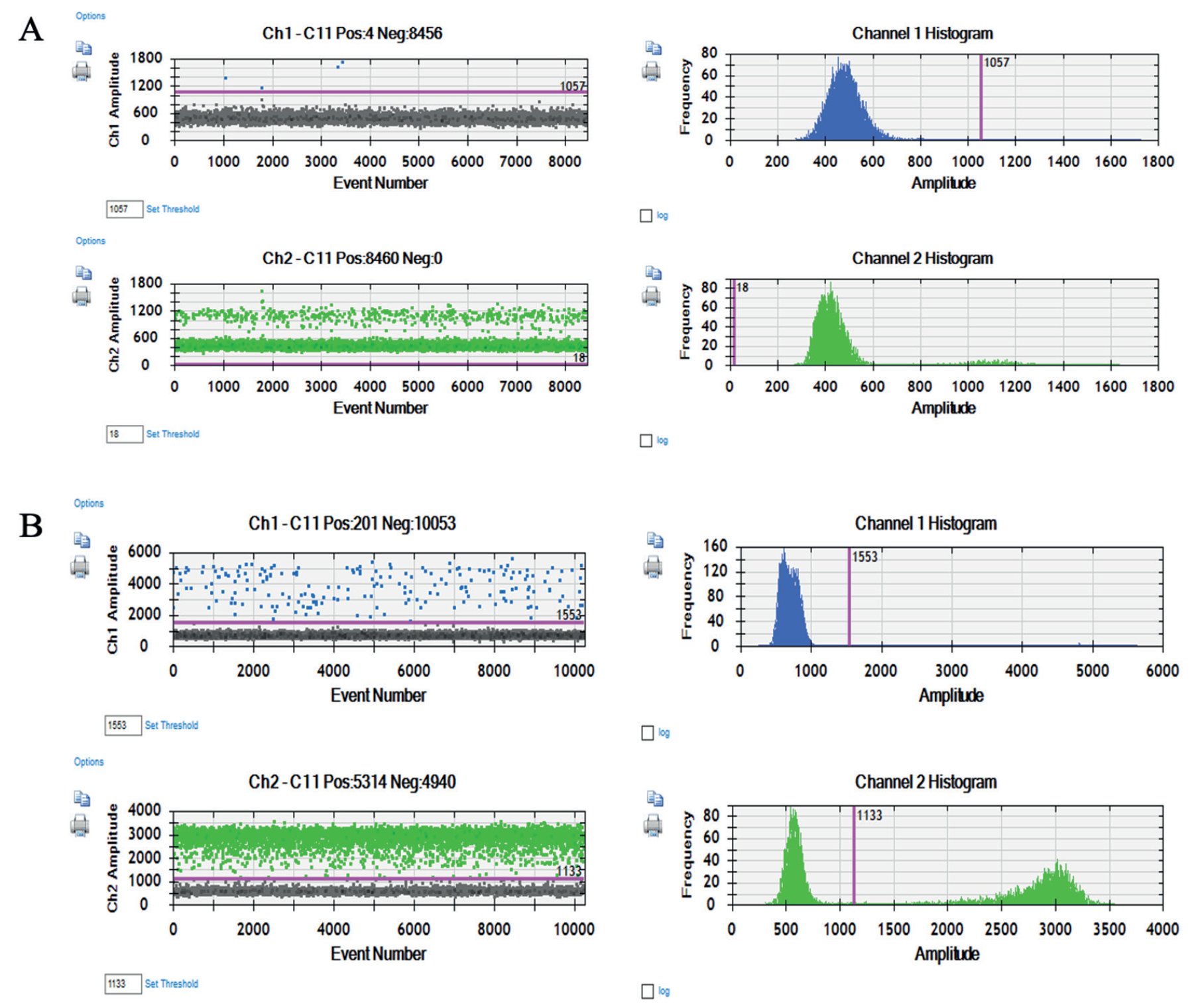
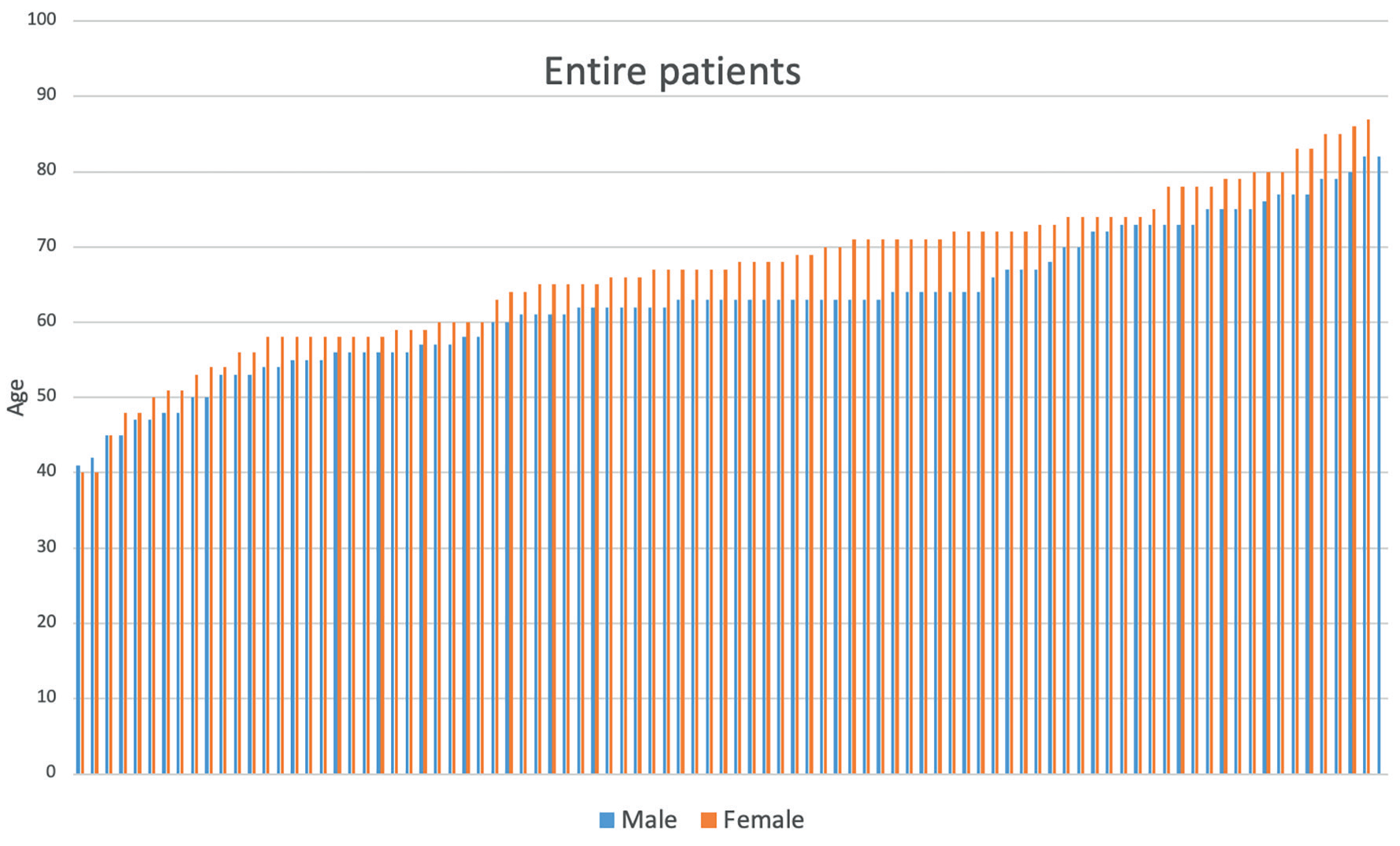
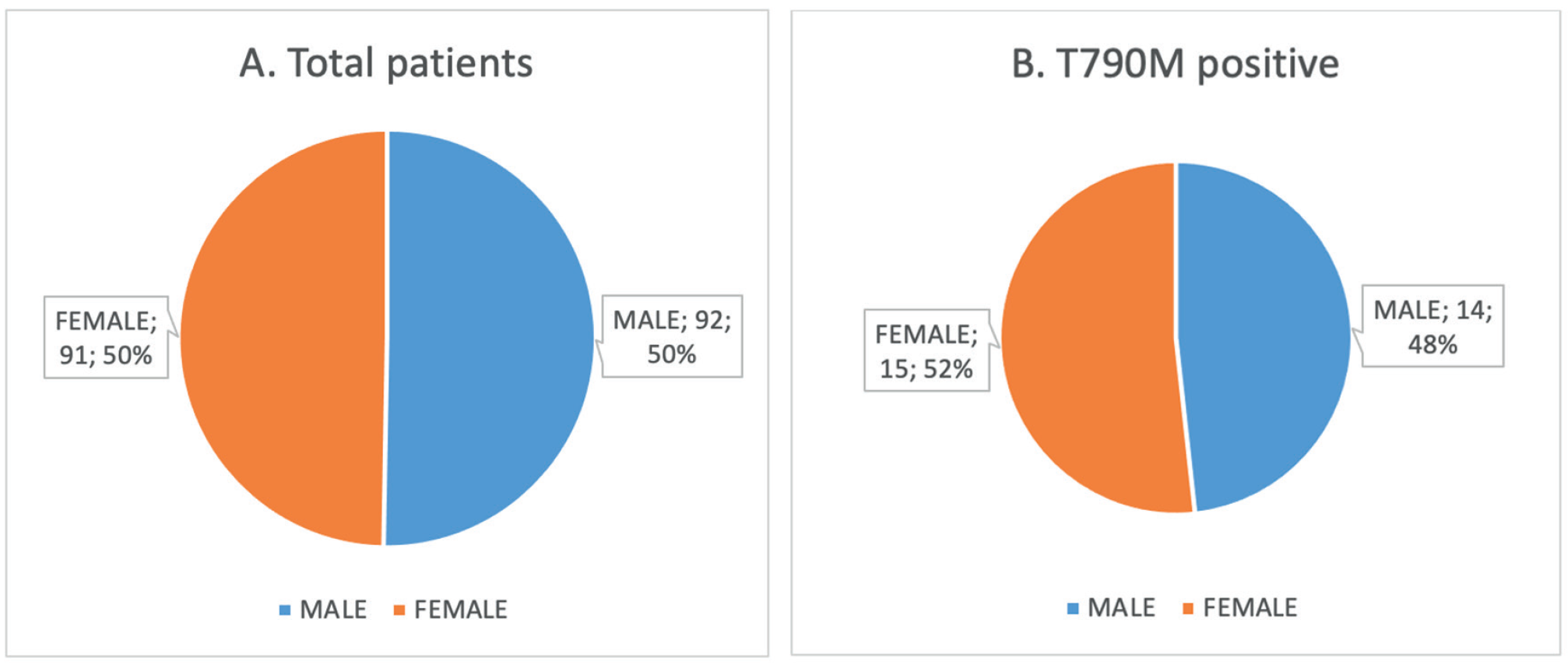
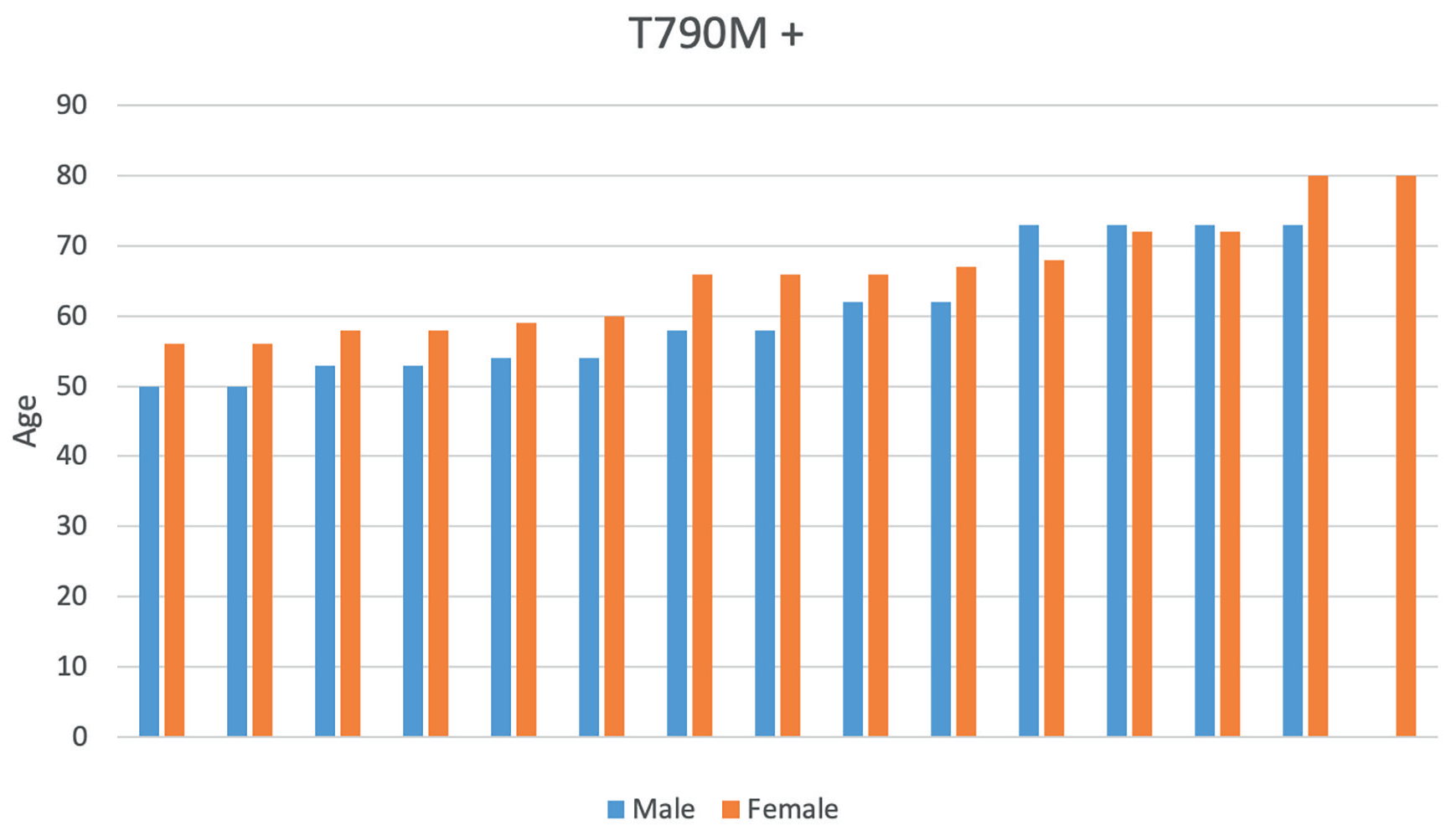
Patients diagnosed with NSCLC and who had acquired resistance to EGFR-TKIs who were referred to us between October 2022 and September 2024 were included in our study. The mean age of the patients was 64.7 years. The T790M positivity rate was 29 out of 183 (15.85%). The patients exhibited variable levels of T790M positivity, including low-positive cases, which were detected in some patients (). It has been observed that the average age of female patients is slightly higher compared with that of males, with the average age of males with the detected mutation being 62.77, whereas it is 66.63 in females (). Of the patients, 92 out of 183 (50.2%) were male, and 91 out of 183 (49.8%) were female. The T790M mutation was detected in 14/92 male patients (15.2%) and 15/91 female patients (16.48%) (). In the T790M-positive group, the average age of female patients was slightly higher than that of males, with the average age of males with the detected mutation being 60.42 years, whereas that of females is 65.6 ().
Other EGFR mutations were detected in 85 of 183 patients (46.45%), with 37 out of 85 (43.5%) being male and 48 of 85 (56.5%) being female. The mean age of the patients was 65.06 years. In total, 17 out of 85 patients (18.75%) - 9 males and 8 females - had concomitant T790M mutations as well ().
Table 1. Results of the overall patients
Patient | Age (year) | Gender | EGFR T790M* | Other EGFR variants |
|---|---|---|---|---|
1 | 67 | Female | N | - |
2 | 73 | Male | N | L858R |
3 | 50 | Female | N | del exon 19 |
4 | 59 | Female | + | del exon 19 |
5 | 48 | Female | N | - |
6 | 64 | Male | N | - |
7 | 75 | Male | N | del exon 19 |
8 | 48 | Female | N | - |
9 | 45 | Female | N | del exon 19 |
10 | 80 | Male | N | del exon 19 |
11 | 66 | Male | N | del exon 19 |
12 | 58 | Female | N | L858R |
13 | 56 | Male | N | del exon 19 |
14 | 54 | Female | N | del exon 19 |
15 | 63 | Male | N | - |
16 | 62 | Male | N | - |
17 | 63 | Male | N | del exon 19 |
18 | 57 | Male | N | - |
19 | 75 | Male | N | - |
20 | 58 | Female | N | L858R |
21 | 58 | Female | N | - |
22 | 63 | Male | N | - |
23 | 66 | Female | + | - |
24 | 74 | Female | N | del exon 19 |
25 | 77 | Male | N | - |
26 | 60 | Female | N | - |
27 | 60 | Female | + | - |
28 | 73 | Male | + | del exon 21, L858R |
29 | 57 | Male | N | - |
30 | 71 | Female | N | del exon 21, L858R |
31 | 68 | Male | N | del exon 19 |
32 | 70 | Female | N | del exon 21, L858R |
33 | 64 | Male | N | - |
34 | 56 | Male | N | - |
35 | 67 | Male | N | - |
36 | 62 | Male | N | - |
37 | 79 | Female | N | - |
38 | 53 | Male | N | del exon 21, L858R |
39 | 63 | Male | N | - |
40 | 67 | Female | N | del exon 19 |
41 | 61 | Male | N | - |
42 | 64 | Female | N | ins exon 20 |
43 | 73 | Male | N | del exon 21, L858R |
44 | 71 | Female | N | - |
45 | 42 | Male | N | del exon 19 |
46 | 79 | Male | N | - |
47 | 45 | Male | N | del exon 19 |
48 | 75 | Male | N | - |
49 | 78 | Female | N | G719X |
50 | 64 | Male | N | - |
51 | 61 | Male | N | del exon 21, L858R |
52 | 80 | Female | N | del exon 21, L861Q |
53 | 51 | Female | N | - |
54 | 68 | Female | + | del exon 19 |
55 | 63 | Male | N | del exon 19 |
56 | 87 | Female | N | - |
57 | 55 | Male | N | - |
58 | 69 | Female | N | del exon 19 |
59 | 65 | Female | N | G719X |
60 | 65 | Female | N | - |
61 | 56 | Female | + | del exon 19 |
62 | 40 | Female | N | del exon 19 |
63 | 65 | Female | N | - |
64 | 66 | Female | + | del exon 19 |
65 | 60 | Male | N | - |
66 | 80 | Female | + | - |
67 | 64 | Male | N | - |
68 | 58 | Female | N | - |
69 | 63 | Male | N | del exon 19 |
70 | 73 | Male | + | del exon 21, L858R |
71 | 62 | Male | + | del exon 19 |
72 | 72 | Female | + | - |
73 | 63 | Male | N | - |
74 | 82 | Male | N | - |
75 | 73 | Female | N | - |
76 | 68 | Female | N | - |
77 | 47 | Male | N | - |
78 | 56 | Male | N | - |
79 | 60 | Female | N | - |
80 | 72 | Female | N | - |
81 | 63 | Male | N | del exon 19 |
82 | 71 | Female | N | - |
83 | 77 | Male | N | del exon 19 |
84 | 53 | Male | + | del exon 18 |
85 | 62 | Male | N | - |
86 | 85 | Female | N | - |
87 | 58 | Female | N | - |
88 | 48 | Male | N | - |
89 | 58 | Male | + | - |
90 | 78 | Female | N | G719X |
91 | 50 | Male | + | del exon 19 |
92 | 74 | Female | N | del exon 19 |
93 | 64 | Male | N | - |
94 | 70 | Female | N | - |
95 | 58 | Female | + | - |
96 | 56 | Male | N | - |
97 | 72 | Male | N | - |
98 | 71 | Female | N | del exon 19 |
99 | 74 | Female | N | - |
100 | 63 | Male | N | del exon 19 |
101 | 83 | Female | N | del exon 21 |
102 | 67 | Female | N | del exon 19 |
103 | 74 | Female | N | - |
104 | 61 | Male | N | - |
105 | 53 | Female | N | inframe exon 19 |
106 | 59 | Female | N | - |
107 | 67 | Male | N | - |
108 | 70 | Male | N | del exon 19 |
109 | 54 | Male | + | - |
110 | 67 | Female | N | - |
111 | 55 | Male | N | - |
112 | 63 | Female | N | ins exon 20 |
113 | 73 | Male | + | L858R |
114 | 41 | Male | N | del exon 19 |
115 | 79 | Male | N | N |
116 | 71 | Female | N | del exon 19 |
117 | 45 | Male | N | Q746_A750del |
118 | 75 | Male | N | Q746_A750del |
119 | 78 | Female | N | G719X |
120 | 63 | Male | N | NA |
121 | 61 | Male | N | L858R |
122 | 79 | Female | N | L861Q |
123 | 51 | Female | N | L747_Q749del, L747_A750delinsP, T790M |
124 | 63 | Male | N | del exon 19 |
125 | 86 | Female | N | NA |
126 | 55 | Male | N | NA |
127 | 69 | Female | N | del exon 19 |
128 | 65 | Female | N | G719X |
129 | 64 | Female | N | E746_A750del, T790M |
130 | 56 | Female | + | NA |
131 | 40 | Female | N | del exon 19 |
132 | 65 | Female | N | NA |
133 | 66 | Female | + | del exon 19 |
134 | 60 | Male | N | NA |
135 | 80 | Female | + | del exon 19, p.L747_P753delinsS |
136 | 63 | Male | N | NA |
137 | 58 | Female | N | NA |
138 | 63 | Male | N | del exon 19 |
139 | 73 | Male | + | L858R |
140 | 62 | Male | + | del exon 19 |
141 | 72 | Female | + | del exon 19 |
142 | 63 | Male | N | NA |
143 | 82 | Male | N | NA |
144 | 73 | Female | N | NA |
145 | 68 | Female | N | L861Q |
146 | 47 | Male | N | NA |
147 | 56 | Male | N | NA |
148 | 60 | Female | N | NA |
149 | 72 | Female | N | NA |
150 | 63 | Male | N | del exon 19 |
151 | 71 | Female | N | V786M |
152 | 77 | Male | N | del exon 19 |
153 | 53 | Male | + | del exon 18 |
154 | 62 | Male | N | NA |
155 | 85 | Female | N | L858R |
156 | 58 | Female | N | NA |
157 | 48 | Male | N | NA |
158 | 58 | Male | + | NA |
159 | 78 | Female | N | G719X |
160 | 50 | Male | + | N |
161 | 74 | Female | N | NA |
162 | 64 | Male | N | NA |
163 | 71 | Female | N | NA |
164 | 58 | Female | + | del exon 19 |
165 | 57 | Male | N | N |
166 | 72 | Male | N | N |
167 | 72 | Female | N | Q746_S752delinsV |
168 | 74 | Female | N | N |
169 | 64 | Male | N | N |
170 | 83 | Female | N | NA |
171 | 67 | Female | N | L747_T751del |
172 | 75 | Female | N | del exon 19 |
173 | 62 | Male | N | del exon 19 |
174 | 54 | Female | N | Q746_S752delinsV |
175 | 59 | Female | N | NA |
176 | 67 | Male | N | N |
177 | 70 | Male | N | del exon 19 |
178 | 54 | Male | + | NA |
179 | 68 | Female | N | del exon 19 |
180 | 56 | Male | N | N |
181 | 76 | Male | N | NA |
182 | 67 | Female | + | NA |
183 | 72 | Female | N | Q746_S752delinsV |
*EGFR (NM_005228.5), +: Positive results, N: Normal results, NA: Not available, EGFR: Epidermal growth factor receptor
Discussion
The use of EGFR-TKIs significantly affects progression-free survival in individuals diagnosed with EGFR-mutated NSCLC. Personalized targeted therapies are gaining popularity in cancer treatment, offering increased clinical efficacy and reduced toxicity. This approach is becoming increasingly important, emphasizing the need to tailor treatments to individual patients to achieve better results. Therefore, a precise exploration of the molecular foundations of cancers is becoming increasingly important.
The T790M mutation can develop during or after EGFR-TKI therapy, leading to disease progression. This mutation results in resistance to first- and second-generation EGFR-TKIs. Therefore, the detection of the T790M mutation plays a critical role in the development of treatment strategies. A third-generation EGFR-TKI is an effective treatment option for patients with the T790M mutation. Third-generation EGFR-TKIs prolong progression-free survival and improve overall survival rates in patients with the T790M mutation.
The ddPCR method is a more sensitive technique than various analysis methods such as Sanger sequencing, pyrosequencing, next-generation sequencing (NGS), quantitative PCR, and amplification-refractory mutation system PCR (ARMS-PCR) [-]. Additionally, ddPCR can be performed using minimal biopsy material or liquid biopsy, making it possible to analyze the T790M mutation in samples such as blood plasma without requiring invasive procedures. The gene can precisely differentiate between mutant and wild-type DNA molecules, providing reliable analysis even in heterogeneous tumors. The method is superior in terms of both accuracy and reproducibility of results and is a critical feature for long-term monitoring of treatment response.
Compared with qPCR, ddPCR has a lower error margin and can detect lower allele frequencies. It also achieves higher success rates in challenging samples that may be at the detection limits of qPCR. In addition, ddPCR is ideal for analyzing cell-free DNA in plasma or other fluids, which is a crucial advantage in cases in which tissue biopsy is not possible or is associated with high risk. Additionally, ddPCR can be used to monitor the dynamics of the T790M mutation during and after treatment. For instance, it is an effective tool for tracking the response to third-generation EGFR-TKI therapy and the development of resistance.
The ability to assess liquid biopsies using this highly sensitive method is particularly important for individuals with NSCLC given that the characteristics and location of the tumor frequently limit the possibility of re-biopsy. Detection and determination of the treatment approach for the EGFR T790M variant, one of the most important mutations responsible for acquired treatment resistance, are of significant importance for these patients. Therefore, this method presents an effective option for addressing these challenges and making treatment decisions. Furthermore, its affordability, ease of interpretation, and relatively short turnaround time are also among the advantages of this method. While NGS can simultaneously identify various mutations, including copy number variations and rearrangements, which adds to its significance, it still carries a comparably higher cost and lower sensitivity and demands a more intensive workload during the analysis phase. Sequencing-based techniques such as Sanger are capable of detecting potential EGFR mutations outside of hotspot regions; however, their sensitivity is limited compared with that of ddPCR [, ].
In this study, liquid biopsies obtained from 183 patients diagnosed with NSCLC who were referred to our clinic with suspicion of developing resistance to first- or second-generation TKI treatment were evaluated for the development of the T790M mutation using the ddPCR method. The positivity rate we observed was 15.85%, which appears to be slightly lower than the reported rates ranging from 25% to 50% in the literature [, , ]. We consider that one of the reasons behind the slightly diminished positivity rate, in accordance with the literature, could stem from patients suspected of manifesting disease progression against first- and second-generation TKIs not entirely meeting the Response Evaluation Criteria in Solid Tumors (RECIST 1.1) criteria.
Biopsies with low tumor cell density, heterogeneous structures, or insufficient tissue material can complicate the detection of the T790M mutation. Although liquid biopsies may better reflect tumor heterogeneity, the sensitivity of ddPCR can decrease in patients with low tumor burden due to reduced levels of circulating tumor DNA (ctDNA). In addition, a sufficient number of droplets must be generated to detect low-frequency mutations. In post-treatment biopsies, DNA may be damaged or the number of mutations may decrease. These factors may be among the reasons for the low mutation detection rates observed in our patient cohort.
Referral of patients with NSCLC receiving TKI treatment evaluated according to RECIST 1.1 criteria to the medical genetics clinic and collaborative efforts between the departments of medical oncology and medical genetics could potentially be beneficial in diagnosing the development of resistance to these agents and consequently in diagnosing disease progression associated with it [].
Personalized targeted therapies, which are gaining popularity each day, provide significant advantages for patients, including increased clinical efficiency and reduced toxicity, and can only be achieved through detailed molecular profiling. Future studies aimed at showcasing the strong potential of advancing molecular diagnostic tools like ddPCR hold promising prospects, particularly for individuals with NSCLC and various other cancer types. Because of its ability to detect mutations even at low allele frequencies, ddPCR is particularly effective for the early diagnosis of resistance mutations like T790M. The method enables the analysis of ctDNA from blood plasma or other fluids without the need for invasive biopsies. This approach is particularly applicable to patients in whom tissue biopsy is not feasible or poses significant risks. In minimal residual disease monitoring, ddPCR can detect low levels of remaining cancer cells after treatment, allowing for the prediction of recurrence risk. Through our own study, we aimed to contribute by sharing the experience of our center in this field.
Study Limitations
The study included not only patients who developed resistance to first- and second-generation TKIs but also those suspected of showing disease progression even if they did not fully meet the RECIST 1.1 criteria. The quantity and quality of ctDNA vary among different patients and at different disease stages. The sensitivity of the ddPCR method largely depends on the amount of DNA used, which can lead to false-negative results. Therefore, enrichment or pre-amplification may be required before ddPCR testing of low-concentration samples.
Conclusion
Despite the inclusion of patients who do not fully meet the criteria for first- or second-generation TKIs treatment, a significant rate of T790M positivity was detected. This highlights the importance of liquid biopsy with ddPCR in patients with potential tyrosine kinase resistance.
Footnotes
Ethics
Ethics Committee Approval: The research received ethical approval from the Etlik City Hospital Ethics Committee (document number: AEŞH-BADEK-2024-843, date: 25.09.2024).
Informed Consent: Retrospective study.
Acknowledgment
We would like to thank the patients for allowing us to conduct the study using their data.
Footnotes
Authorship Contributions
Design: A.B., Data Collection or Processing: A.B., E.E.A., Analysis or Interpretation: A.B., E.E.A., Writing: A.B.
Conflict of Interest: No conflict of interest was declared by the authors.
Financial Disclosure: The authors declared that this study received no financial support.
References
Sung H, Ferlay J, Siegel RL, Laversanne M, Soerjomataram I, Jemal A, et al. Global Cancer Statistics 2020: GLOBOCAN Estimates of Incidence and Mortality Worldwide for 36 Cancers in 185 Countries. CA Cancer J Clin. 2021;71:209-249.
Osmani L, Askin F, Gabrielson E, Li QK. Current WHO guidelines and the critical role of immunohistochemical markers in the subclassification of non-small cell lung carcinoma (NSCLC): Moving from targeted therapy to immunotherapy. Semin Cancer Biol. 2018;52:103-109.
Alexander M, Kim SY, Cheng H. Update 2020: Management of Non-Small Cell Lung Cancer. Lung. 2020;198:897-907.
Westover D, Zugazagoitia J, Cho BC, Lovly CM, Paz-Ares L. Mechanisms of acquired resistance to first- and second-generation EGFR tyrosine kinase inhibitors. Ann Oncol. 2018;29:i10-i19.
Wu SG, Shih JY. Management of acquired resistance to EGFR TKI-targeted therapy in advanced non-small cell lung cancer. Mol Cancer. 2018;17:38.
He J, Huang Z, Han L, Gong Y, Xie C. Mechanisms and management of 3rd‑generation EGFR‑TKI resistance in advanced non‑small cell lung cancer (Review). Int J Oncol. 2021;59:90.
Yu HA, Arcila ME, Rekhtman N, Sima CS, Zakowski MF, Pao W, et al. Analysis of tumor specimens at the time of acquired resistance to EGFR-TKI therapy in 155 patients with EGFR-mutant lung cancers. Clin Cancer Res. 2013;19:2240-2247.
Rolfo C, Mack P, Scagliotti GV, Aggarwal C, Arcila ME, Barlesi F, et al. Liquid Biopsy for Advanced NSCLC: A Consensus Statement From the International Association for the Study of Lung Cancer. J Thorac Oncol. 2021;16:1647-1662.
Kolesar J, Peh S, Thomas L, Baburaj G, Mukherjee N, Kantamneni R, et al. Integration of liquid biopsy and pharmacogenomics for precision therapy of EGFR mutant and resistant lung cancers. Mol Cancer. 2022;21:61.
Casagrande GMS, Silva MO, Reis RM, Leal LF. Liquid Biopsy for Lung Cancer: Up-to-Date and Perspectives for Screening Programs. Int J Mol Sci. 2023;24:2505.
Pesta M, Shetti D, Kulda V, Knizkova T, Houfkova K, Bagheri MS, et al. Applications of Liquid Biopsies in Non-Small-Cell Lung Cancer. Diagnostics (Basel). 2022;12:1799.
Guo QM, Wang L, Yu WJ, Qiao LH, Zhao MN, Hu XM, et al. Detection of Plasma EGFR Mutations in NSCLC Patients with a Validated ddPCR Lung cfDNA Assay. J Cancer. 2019;10:4341-4349.
Li Y, Xu Y, Wu X, He C, Liu Q, Wang F. Comprehensive analysis of EGFR T790M detection by ddPCR and ARMS-PCR and the effect of mutant abundance on the efficacy of osimertinib in NSCLC patients. J Thorac Dis. 2019;11:3004-3014.
Wang W, Song Z, Zhang Y. A Comparison of ddPCR and ARMS for detecting EGFR T790M status in ctDNA from advanced NSCLC patients with acquired EGFR-TKI resistance. Cancer Med. 2017;6:154-162.
Garcia J, Kamps-Hughes N, Geiguer F, Couraud S, Sarver B, Payen L, et al. Sensitivity, specificity, and accuracy of a liquid biopsy approach utilizing molecular amplification pools. Sci Rep. 2021;11:10761.
Bożyk A, Nicoś M. The Overview of Perspectives of Clinical Application of Liquid Biopsy in Non-Small-Cell Lung Cancer. Life (Basel). 2022;12:1640.
Ontario Health (Quality). Cell-Free Circulating Tumour DNA Blood Testing to Detect EGFR T790M Mutation in People With Advanced Non-Small Cell Lung Cancer: A Health Technology Assessment. Ont Health Technol Assess Ser. 2020;20:1-176.
Zhang H, Hu Y, Wang Y, Song X, Hu Y, Ma L, et al. Application of ddPCR in detection of the status and abundance of EGFR T790M mutation in the plasma samples of non-small cell lung cancer patients. Front Oncol. 2023;12:942123.
Silveira C, Sousa AC, Janeiro A, Malveiro S, Teixeira E, Brysch E, et al. Detection and quantification of EGFR T790M mutation in liquid biopsies by droplet digital PCR. Transl Lung Cancer Res. 2021;10:1200-1208.
Nishino M, Cardarella S, Jackman DM, Ramaiya NH, Rabin MS, Hatabu H, et al. RECIST 1.1 in NSCLC patients with EGFR mutations treated with EGFR tyrosine kinase inhibitors: comparison with RECIST 1.0. AJR Am J Roentgenol. 2013;201:W64-W71.